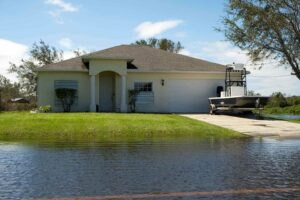
Home insurance protects your property, finances, and long-term security when unexpected losses occur. Policies cover the structure of your home, your belongings, personal liability, and additional living expenses if you can’t live in your home after a covered claim. Carriers determine premiums based on risk factors such as home age, location, safety features, building materials, and claim history. This guide explains what’s truly protected under a home insurance policy, what affects pricing, and how to choose the right coverage for your needs.
What Home Insurance Covers
A standard U.S. homeowners insurance policy (commonly an HO-3) provides broad protection for your home and possessions. While coverage varies by insurer, most policies include structural coverage, personal property protection, and liability insurance.
Core Coverage Components
Home insurance typically includes:
- Dwelling Coverage – Protects the structure of your home, including walls, roof, built-ins, flooring, and attached structures. Coverage is usually based on reconstruction cost—not market value.
- Other Structures – Covers fences, sheds, detached garages, and other standalone structures on your property.
- Personal Property – Protects belongings such as furniture, electronics, clothing, and appliances. Policies may offer replacement cost coverage to avoid depreciation.
- Loss of Use (ALE) – Pays for hotel stays, meals, and temporary housing if your home becomes uninhabitable after a covered loss.
- Liability Protection – Covers bodily injury or property damage you accidentally cause to others. This protects against lawsuits, medical bills, and legal costs.
- Medical Payments – Pays for minor injuries to guests, regardless of fault.
Optional Endorsements That Strengthen Protection
Homeowners often enhance their policy with:
- Water backup coverage
- Extended dwelling replacement cost
- Service line coverage
- Scheduled jewelry or valuable items
- Equipment breakdown
- Identity theft protection
These endorsements help address gaps that frequently appear in standard home insurance claims.
What Affects Home Insurance Costs
Home insurance premiums are determined through underwriting—how insurers evaluate the likelihood of future claims. Carriers analyze property details, historical risk patterns, and local hazards to assign a premium appropriate for your home.
Key Factors Driving Home Insurance Premiums
The most influential pricing variables include:
- Location & ZIP Code – Areas with high wind, hail, theft, or fire activity see higher premiums.
- Home Age & Construction – Older plumbing, electrical systems, and roofing elevate risk for water and structural losses.
- Rebuilding Costs – Labor and material prices directly affect dwelling coverage requirements and premium levels.
- Claims History – Multiple claims—especially water and wind—can increase premiums for several years.
- Coverage Limits & Deductibles – Lower deductibles and higher limits increase premiums; raising deductibles reduces cost.
- Roof Type & Condition – Impact-resistant shingles and newer roofs often qualify for discounts.
- Liability Risk – Pools, trampolines, and certain dog breeds increase exposure.
- Credit-Based Insurance Score – In many states, this influences home insurance pricing similar to auto premiums.
Home Insurance Common Claims
Understanding common home insurance claims helps homeowners anticipate risk and choose coverage wisely.
Claims Most Frequently Filed by Homeowners
Nationwide, carriers often see:
- Wind and Hail Damage – One of the most common claims across the U.S., especially in severe-weather regions.
- Water Damage – Burst pipes, appliance leaks, and plumbing failures cause high-cost claims.
- Fire and Smoke Damage – Responsible for some of the most expensive home insurance losses.
- Theft and Break-ins – Varies by region but remains a consistent driver of personal property claims.
- Liability Claims – Injuries occurring on your property can lead to costly medical bills and lawsuits.
- Falling Objects & Tree Damage – Weather events often cause impact-related structural losses.
Why Claim Frequency Matters to Insurers
Insurance carriers use claim history—both your personal history and your ZIP code’s loss trends—to determine pricing. High claim areas result in higher premiums, similar to how auto premiums rise in high-collision ZIP codes.

How to Choose the Right Policy
The right home insurance policy balances cost, protection, and long-term financial security. A low premium is not helpful if coverage gaps lead to major out-of-pocket losses during a claim.
What to Compare When Reviewing Policies
Consider:
- Replacement Cost vs. Actual Cash Value – Replacement cost offers stronger protection without depreciation.
- Coverage Limits – Ensure dwelling coverage matches reconstruction costs, not market value.
- Personal Property Limits – High-value items may require scheduled coverage.
- Deductive Choices – Higher deductibles reduce premiums but increase claim cost sharing.
- Liability Limits – Many homeowners increase liability to cover modern legal risks.
- Carrier Financial Strength – Look for strong ratings and proven claims service.
- Available Discounts – Bundling home and auto insurance, monitored alarms, and smart home systems all help reduce premiums.
Ways to Save on Home Insurance
Homeowners have several opportunities to manage premiums without compromising protection.
Proven Ways to Reduce Home Insurance Costs
Strategies include:
- Bundling home and auto insurance for significant multi-policy savings
- Increasing deductibles to lower monthly premiums
- Upgrading your roof with impact-resistant materials
- Installing security and fire systems to reduce risk and qualify for discounts
- Avoiding small, frequent claims that can trigger long-term surcharges
- Performing regular maintenance to reduce water and structural damage risks
- Reviewing your coverage annually to adjust limits and compare options
How Royalty Insurance Helps Homeowners Save
Royalty Insurance’s licensed agents:
- Compare multiple national insurers
- Review your coverage needs and risk factors
- Identify meaningful discounts
- Tailor your policy to your home’s structure and budget
- Ensure your protection aligns with real-world risks
Why Homeowners Trust Royalty Insurance for Expert Guidance
Royalty Insurance helps homeowners understand coverage, compare strong carriers, and structure protection that fits both budget and risk. With expert underwriting guidance, transparent advice, and personalized support, we help you secure the right home insurance—without overpaying.
Ready to compare home insurance rates? Contact Royalty Insurance for personalized guidance today.