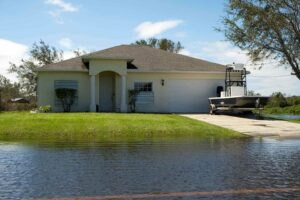
Understanding how much dwelling coverage you need is a crucial step in protecting your home in Texas. Dwelling coverage explained simply is the part of your homeowners insurance that pays to repair or rebuild your house if it is damaged by covered risks such as fire, storms, or vandalism. Factors affecting dwelling coverage amount include the size of your home, construction costs in your area, and specific features like garages or custom finishes. With so many details to consider, it helps to have expert advice to find the right balance between protection and affordability.
Royalty Insurance specializes in independent insurance research for Texas homeowners, helping you compare policies and identify the best options for your budget. We focus on answering important questions like how much dwelling insurance do I need, how to estimate replacement cost for home insurance, and what is covered under dwelling coverage. Our knowledgeable team uses dwelling coverage calculators and local data to provide you with accurate recommendations so you can make confident decisions about your home protection.
What Is Home Insurance and How Does It Work?
Home insurance protects your house and personal property from risks like fire, theft, and storm damage. Standard policies cover the main structure, attached buildings, and personal belongings. Homeowners insurance also includes liability protection for injuries or damage on your property. Most policies require annual renewal and can be customized based on location, rebuild costs, and coverage limits.
- Protects property from fire, theft, and natural disasters
- Covers personal belongings inside the home
- Provides liability coverage for injuries on property
- Offers flexible policy limits and add-on options
- Requires annual review to adjust coverage

How to Calculate Dwelling Coverage for Texas Homes
Calculating dwelling coverage for Texas homes starts with estimating the total cost to rebuild your house from the ground up if it is destroyed. This figure is not the same as your homes market value. Instead, it reflects labor, materials, permits, and debris removal. Using a dwelling coverage calculator helps you get an accurate picture, but local construction costs and upgrades must be included. For example, a brick home in Houston with custom kitchen features will require more coverage than a standard wood-frame house in a rural Texas area. Commercial property owners also need to consider unique factors like code upgrades and utility infrastructure. Insurance agents recommend reviewing your policy every year and adjusting the dwelling coverage amount if you remodel, add square footage, or see construction costs rise in your area. By working with a Texas-based independent agency, you can access up-to-date cost data and get custom recommendations tailored to your property and budget.
What Is Covered Under Dwelling Coverage for Homeowners?
Dwelling coverage for homeowners insurance protects your homes structure, built-in appliances, and attached features like garages and decks. This type of coverage pays for repairs or rebuilding if your house is damaged by risks named in your policy, such as wind, fire, lightning, or vandalism. In Texas, hail and windstorms are common risks that make dwelling coverage vital. Standard dwelling coverage limits are based on the estimated replacement cost, not the purchase price or property value. For instance, if a kitchen fire destroys cabinets and walls, dwelling coverage helps pay for materials, labor, and restoration. However, personal property like furniture is not included under dwelling coverage but falls under a separate section of your homeowners policy. Homeowners should review their coverage annually and update their policy after major renovations or additions to ensure all structural elements are fully protected.
Dwelling Coverage vs Replacement Cost: Key Differences
Understanding the difference between dwelling coverage and replacement cost is essential when selecting a homeowners policy in Texas. Dwelling coverage refers to the maximum amount your insurer will pay to repair or rebuild your home after a covered loss. Replacement cost is the actual expense to rebuild your home with similar materials and quality, regardless of current market fluctuations or depreciation. If your dwelling coverage does not match your replacement cost, you may face out-of-pocket expenses after a loss. For example, if rebuilding your Austin home costs 350000 but your policy covers only 250000, you are responsible for the gap. Regularly reviewing your policy and calculating replacement cost helps ensure your dwelling coverage amount keeps up with inflation and material price changes. Work with a Texas insurance professional to evaluate your coverage and avoid costly shortfalls after a disaster.
Tips for Choosing Dwelling Coverage in Texas
Choosing the right dwelling coverage amount is more than guessing your home’s value in Texas. Start by using a dwelling coverage calculator to estimate rebuilding costs based on square footage, construction materials, and local labor rates. Review your policy for standard dwelling coverage limits and consider additional coverage for unique features like pools or custom finishes. Minimum dwelling coverage required by lenders may not be enough to rebuild after a disaster. Pay attention to updates in building codes, as required upgrades can increase your replacement cost. If you purchase a new home or remodel, update your policy promptly. Seek advice from independent agents who can explain factors affecting dwelling coverage amount and offer tailored dwelling coverage recommendations. This approach ensures you have the coverage you need for both peace of mind and financial security in Texas.
Smart Steps to Take When Setting Dwelling Coverage in Texas
Making the right decision about how much dwelling coverage you need is essential for protecting your investment in Texas. Evaluate the replacement cost of your home, not just its market price, to ensure the policy will cover rebuilding after major damage. Regularly update your coverage after upgrades or remodels to match rising construction costs in Texas cities like Houston and Dallas. Use a dwelling coverage calculator to compare options, review what is covered under dwelling coverage, and consider both minimum dwelling coverage required by lenders and standard dwelling coverage limits for your area. Watch for red flags such as policies with low limits or unclear exclusions. Schedule annual policy reviews and set reminders for budget planning to keep your home secure all year. Contact Royalty Insurance for expert guidance on how much dwelling coverage you need and to receive clear, local recommendations for your home in Texas.
- Review your rebuild cost every year
- Update policy after home improvements
- Understand all policy exclusions
- Check lender requirements
- Ask about local construction cost trends
For more details on coverage specifics and homeowners insurance options, consult an independent Texas agent. Industry resources like Home Insurance provide background on coverage standards and policy types.
Frequently Asked Questions About How Much Dwelling Coverage Do I Need?
Below are answers to common questions about how much dwelling coverage you need, how to calculate dwelling coverage, and related topics for Texas homeowners. These answers help clarify the basics and guide your decision-making process when securing proper home insurance protection in Texas.
How much dwelling insurance do I need for my home in Texas?
The amount of dwelling insurance you need depends on the total cost to rebuild your home with similar materials in your Texas location. Consider local construction costs, square footage, and attached structures. An independent agent at Royalty Insurance can provide a personalized estimate based on your property details.
How is dwelling coverage amount determined by insurers?
Insurers determine the dwelling coverage amount using rebuild cost estimates, local labor and material prices, and your homes unique features. Tools like a dwelling coverage calculator and professional appraisals help ensure accurate coverage in line with your propertys needs.
What is covered under dwelling coverage in a homeowners policy?
Dwelling coverage includes the main structure of your home, attached garages, built-in appliances, and fixtures. It covers damage from risks like fire, hail, windstorms, and vandalism. It does not cover personal property or standalone structures unless specified in the policy.
What is the average dwelling coverage amount in Texas?
The average dwelling coverage amount in Texas varies by city and property type, but most homeowners carry coverage ranging from 200000 to 400000. It is important to base your coverage on actual replacement cost, not the market value of your home.
How can I estimate replacement cost for home insurance?
Estimate your replacement cost by multiplying your homes square footage by the current local construction cost per square foot. Factor in special features and finishes. Royalty Insurance uses local data and dwelling coverage calculators to provide accurate estimates for Texas homeowners.
What is the difference between dwelling coverage and personal property coverage?
Dwelling coverage protects the structure of your home and attached elements, while personal property coverage insures your belongings such as furniture and electronics. Both are important components of a comprehensive homeowners policy in Texas.
How do I increase dwelling coverage if I remodel or add space?
Contact your insurance provider or independent agency like Royalty Insurance as soon as you complete renovations or expansions. Provide updated details about square footage, materials, and new features to adjust your policy and ensure full protection for your Texas home.