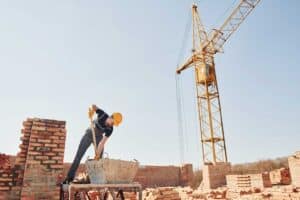
Construction projects involve significant investments, tight timelines, and a wide range of potential risks. Builders risk insurance is a specialized form of property insurance designed to protect buildings and structures while they are under construction or renovation.
This type of construction insurance coverage helps protect against financial losses caused by unexpected events such as fire, severe weather, theft of materials, or vandalism at the job site.
Because construction environments are constantly changing, builders risk insurance provides temporary protection for the structure, materials, and certain project-related exposures until the project is completed.
Understanding how builders risk insurance coverage works—including what it protects, how claims occur, and what factors influence policy costs—can help property owners, contractors, and insurance professionals make informed decisions when planning construction projects.
What Builders Risk Insurance Covers
Builders risk insurance typically protects buildings and structures while they are under construction or undergoing major renovation. Coverage can apply to both residential and commercial construction projects.
Most builders risk policies provide protection for:
- Buildings and structures under construction
- Construction materials and supplies intended to become part of the building
- Temporary structures used during construction
- Certain equipment stored on the job site
Builders risk policies are designed to protect against several common construction risks, including:
- Fire damage
- Theft of building materials
- Vandalism at the construction site
- Certain weather-related incidents such as wind or hail damage
Coverage generally begins when construction starts and remains active until the project is completed or the property becomes occupied, depending on the specific terms of the insurance policy.
Because construction projects can involve expensive materials and equipment, builders risk coverage helps reduce financial exposure if damage or loss occurs during the building process.

How Occupancy Can Affect Builders Risk Claims
One important condition in many builders’ risk insurance policies involves occupancy status.
Builders risk coverage is designed specifically for structures that are still under construction, not buildings that are actively occupied or in regular use.
If a property becomes occupied before construction is officially completed, this can create complications for insurance coverage.
For example, if tenants move into a partially completed building and a fire or other loss occurs, the insurance company may review whether occupancy violates the terms of the builders risk policy. In some cases, claims could potentially be denied if the policy requires the building to remain unoccupied during construction.
To address this situation, insurers may offer a Permission to Occupy endorsement. This endorsement allows limited coverage once a building becomes occupied before construction is fully completed.
However, coverage under this endorsement is often restricted and may terminate once the property reaches full occupancy or final completion.
Because of this, property owners and contractors should review policy conditions carefully when planning early occupancy.
Common Builders Risk Insurance Claims
Construction projects face a variety of risks throughout the building process. Builders risk insurance is designed to protect against financial losses caused by these incidents.
Some of the most common builders risk claims include:
Fire damage
Partially completed structures can be vulnerable to electrical fires, equipment accidents, or arson.
Storm or weather damage
High winds, heavy rain, hail, and other weather events can damage structures and materials before construction is finished.
Theft of construction materials
Construction sites may be targeted for theft of materials such as copper wiring, lumber, or appliances.
Vandalism at job sites
Unsecured sites may experience property damage caused by trespassing or vandalism.
Water damage during construction
Plumbing leaks, heavy rain, or unfinished roofing can cause significant damage during construction.
Because construction sites involve ongoing changes and exposed materials, builders risk insurance helps reduce financial risk during each phase of the project.
What Affects Builders Risk Insurance Costs
Several factors influence the cost of builders’ risk insurance premiums. Insurance companies evaluate multiple aspects of the construction project when determining pricing.
Key factors that affect builders risk insurance costs include:
Total construction value
The higher the total project value, the greater the potential loss exposure.
Type of construction materials
Certain building materials may present higher fire or weather risks.
Project timeline and duration
Longer construction timelines can increase the chance of potential losses.
Geographic location
Projects located in areas prone to hurricanes, wildfires, or severe weather may have higher premiums.
Site security and safety measures
Construction sites with fencing, surveillance systems, and strong safety protocols may qualify for more favorable pricing.
In recent years, broader economic conditions have also influenced builders’ risk insurance costs. Rising material prices, supply chain challenges, labor shortages, and increased natural disaster frequency can all impact premium pricing.
Understanding these factors helps property owners and contractors better estimate insurance costs when planning construction budgets.
How Builders Risk Quote Iterations Help During Underwriting
Insurance professionals often create multiple versions of builders’ risk quotes during the underwriting process. These policy iterations allow adjustments to coverage details so clients can compare options and determine the best policy structure.
Quote iterations may involve changes to:
- Coverage limits
- Deductibles
- Project timelines
- Construction classifications
- Renovation versus new construction projects
Modern policy issuance platforms allow brokers and producers to generate revised builders risk quotes quickly. This helps property owners, developers, and contractors evaluate different coverage structures and make informed decisions about risk protection.
Choosing the Right Builders Risk Insurance Policy
Selecting the right builders risk insurance policy requires careful evaluation of the project’s scope, risks, and construction timeline.
Key considerations include:
- Accurate project valuation and replacement cost
- Construction timeline and expected completion date
- Potential occupancy during construction
- Risk exposure based on geographic location
- Type of construction and materials used
Working with an experienced insurance professional can help ensure that the builders risk policy accurately reflects the project’s needs.
Proper coverage not only protects the structure under construction but also helps reduce financial exposure throughout the building process.