You bought the land. The building plans can wait. Your liability review should come first.
Vacant land insurance in Texas can help address liability risks while a parcel sits undeveloped. Whether you are holding a future home site or a commercial investment, the important questions are how the land is used, who has access, and which policy actually covers it.
Start With the Risk, Not the Construction Date
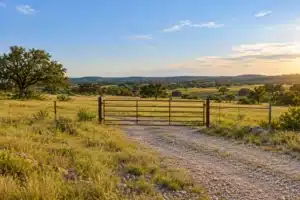
An undeveloped parcel may still have visitors, uneven ground, access roads, or other features worth discussing with an agent. A fence or gate is useful for managing access, but it does not answer whether an insurance policy applies to an accident.
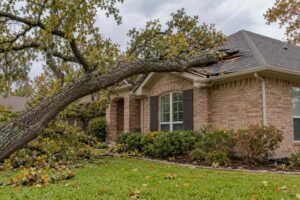
Consider a hypothetical example: someone is injured while visiting your lot and alleges that a condition on the property caused the injury. Whether you are legally responsible and whether insurance responds depend on the circumstances and policy terms. The point of reviewing vacant land liability insurance is to understand that protection before an incident happens.
A Coverage Snapshot for Undeveloped Land
VacantExpress offers a vacant land program for eligible residential and commercial parcels. Its published options provide a useful starting point for a conversation with your agent:
Liability Protection
Premises liability limits available up to $1 million for eligible claims involving injury to others when the insured is legally responsible.
Parcel Eligibility
Residential parcels up to 5 acres and commercial parcels up to 10 acres, including eligible properties without buildings.
Flexible Terms
Three-, six-, and twelve-month policies in most states, with installment options for six- and twelve-month terms.
These are program-specific options, subject to underwriting, state availability, and the issued contract. They are not universal limits for all land insurance. Review the VacantExpress vacant land insurance details with your agent to confirm suitability and current terms.
Separate the Land Question From the Building Question
The coverage highlighted here addresses premises liability. Do not treat it as confirmation that damage to a fence, stored materials, equipment, or a future building is insured.
| Your Situation | What to Review |
|---|---|
| An undeveloped parcel with no buildings | Vacant land eligibility, premises liability, and disclosed hazards. |
| A parcel with an empty house or commercial building | Vacant building coverage and any separate liability needs. |
| Land moving into construction or active use | Updated eligibility and coverage for the work or activity before it starts. |
If the parcel is held by a business, review it alongside your business insurance coverage. If you own it personally, ask your agent whether your homeowners insurance addresses that particular parcel or whether separate protection is appropriate. Avoid assuming that ownership alone extends an existing policy.
Before You Request a Quote: A Four-Step Land Review
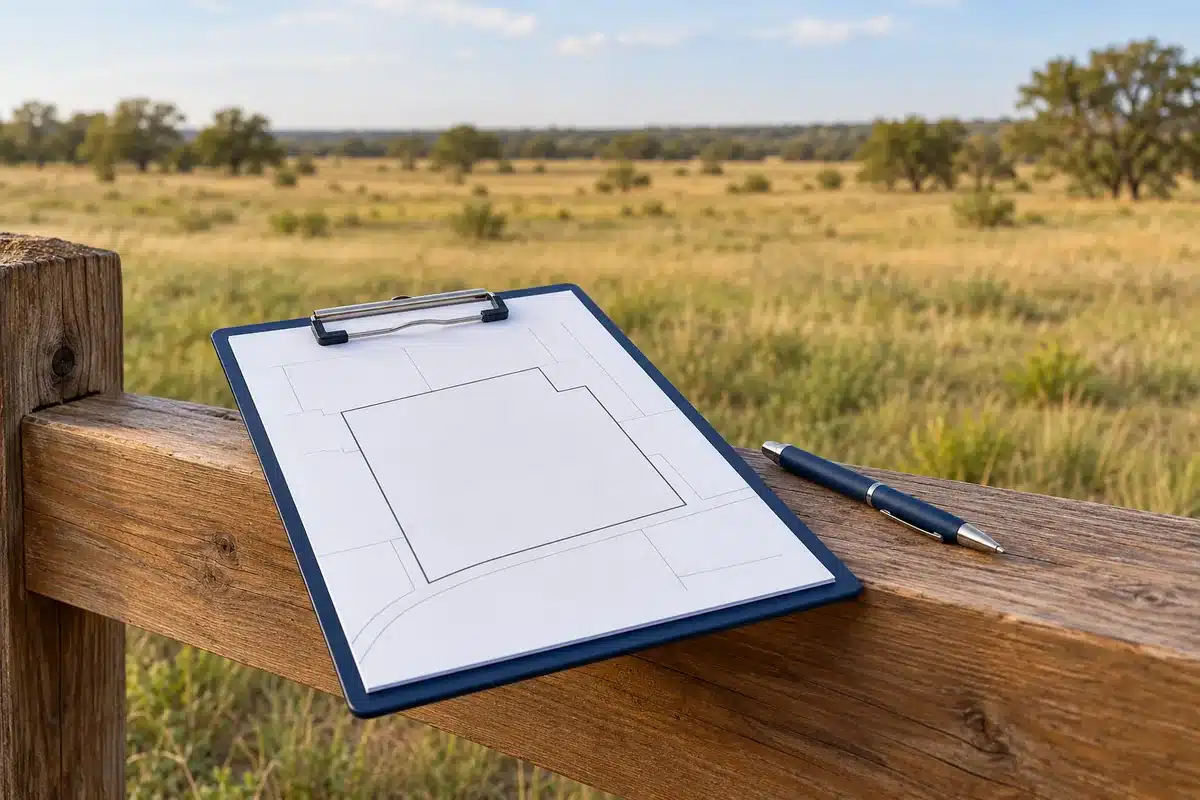
- Identify the parcel. Gather the location, acreage, ownership details, and a map. Include any buildings or improvements rather than describing the property only as “empty.”
- Describe access and existing features. Tell your agent about gates, paths, water features, old foundations, or other conditions you know about. Clear information supports an accurate eligibility review.
- Explain every current and planned use. Discuss leasing, storage, recreation, events, agricultural activity, grading, and construction. Ask which activities the proposed policy permits and which require different coverage.
- Review the quote itself. Confirm the insured location and ownership, coverage limits, applicable deductibles or retentions, exclusions, policy dates, and payment terms. A quote request alone does not establish that coverage is in force.
Make the Next Change a Coverage Checkpoint
Land can move from an investment to a work site quickly. Before contractors arrive, a lease begins, or an event is planned, contact your agent. A policy selected for an undeveloped parcel should be reviewed against its new use.
Keep a simple record of inspections, maintenance, and changes to the property. Share relevant updates when requesting a renewal or new coverage so the discussion reflects how the land is actually being used.
Own Land in Texas? Start With a Coverage Review.
Royalty Insurance can help you review the parcel’s use and discuss available insurance options. Bring your property details and timeline so we can help you ask the right questions.
Coverage is subject to insurer approval and the issued policy’s terms, conditions, limits, and exclusions. Product availability and eligibility may vary.