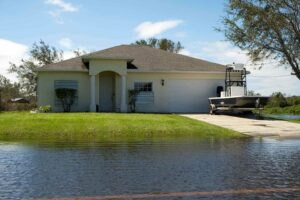
Understanding the difference between home warranty and home insurance is crucial for Texas homeowners seeking the right financial protection. Homeowners insurance protects your property against damage from perils like fire, theft, and severe weather, while a home warranty covers repairs or replacements of major home systems and appliances due to normal wear and tear. Royalty Insurance, as an independent insurance agency based in Texas, helps clients compare homeowners insurance rates, select affordable homeowners insurance coverage options, and secure peace of mind through policies tailored to local risks.
While both home warranty and homeowners insurance provide valuable coverage, they serve distinct purposes and are structured differently. Homeowners insurance is essential for property owners in Texas, protecting against significant financial loss and often required by mortgage lenders. In contrast, a home warranty is optional and focuses on the functionality of home systems and appliances. Knowing what does homeowners insurance cover and how to choose homeowners insurance can help you make informed decisions about protecting your investment. Whether you are a first-time buyer or searching for cheap homeowners insurance, Royalty Insurance offers expertise and access to the best homeowners insurance companies in Texas.
How Homeowners Insurance Protects Your Texas Property
Homeowners insurance protects against risks like fire, storms, and theft. It covers your home’s structure, personal belongings, and provides liability protection. Most policies meet Texas lender requirements and use industry standards for claims. Claims must be filed quickly after damage occurs to receive timely support and repairs.
- Protects your home against natural disasters
- Covers theft and vandalism losses
- Includes personal liability coverage
- Meets lender insurance requirements
- Follows Texas insurance claims standards
What Does Homeowners Insurance Cover Compared to a Home Warranty

Homeowners insurance covers your home’s structure, personal property, and liability in the event of sudden accidents or disasters such as fire, wind, hail, or theft. This type of coverage is a requirement for most Texas homeowners, especially when financing a property. In contrast, a home warranty is a service contract that pays for repairs or replacements of specific appliances and built-in systems due to normal wear and tear. For example, a homeowners insurance policy would pay for roof repairs after a hailstorm, while a home warranty might cover a broken HVAC unit or dishwasher. Knowing what is not covered by homeowners insurance—such as gradual breakdowns or appliance failures—helps clarify when a home warranty can add value. For homeowners in Texas, combining both homeowners insurance and a home warranty offers more comprehensive protection for both sudden and expected events. This distinction is especially important for homeowners insurance for first time buyers and those comparing homeowners insurance policy types or seeking homeowners insurance discounts.
How to Choose Homeowners Insurance in Texas
Selecting the right homeowners insurance in Texas requires evaluating several key factors. Start by comparing homeowners insurance rates and coverage options from the best homeowners insurance companies. Consider the average cost of homeowners insurance in your area, the policy deductible, and the level of protection for personal property, liability, and additional living expenses. It is essential to review what does homeowners insurance cover, paying special attention to exclusions like floods or earthquakes, which may require separate policies. Homeowners insurance for older homes or condos may have unique requirements or discounts, so tailor your search accordingly. Using homeowners insurance quotes online helps streamline the process and identify cheap homeowners insurance from reliable providers. Local agents can also explain homeowners insurance deductible explained and guide you through policy types. For Texas residents, choosing the right policy ensures your investment is protected and provides peace of mind during unforeseen events.
Does Homeowners Insurance Cover Water Damage and Appliance Failures
Homeowners insurance typically covers sudden and accidental water damage, such as a burst pipe or an overflowing washing machine, but does not cover gradual leaks, poor maintenance, or appliance failures due to wear and tear. In Texas, water damage claims are common, especially after storms or severe weather. For example, if a pipe bursts unexpectedly and damages floors or walls, your homeowners insurance can help with repairs minus your deductible. However, if your water heater breaks down due to age, this would fall under a home warranty. Understanding these distinctions is vital for homeowners insurance for first time buyers and those evaluating homeowners insurance coverage options. For complete protection, consider both homeowners insurance and a home warranty, especially for older homes or properties with aging systems. This approach helps manage repair costs and ensures you are not left with unexpected expenses.
Key Steps for Texas Homeowners Securing the Right Protection
Choosing between a home warranty and homeowners insurance in Texas comes down to understanding what each product covers. Homeowners insurance protects against major losses from fire, theft, storms, and liability claims, while a home warranty covers the repair and replacement of appliances and systems that fail due to normal use. Texas homeowners should compare homeowners insurance rates, evaluate homeowners insurance coverage options, and consider the average cost of homeowners insurance before making a decision. For those in cities like Houston or Dallas, weather risks make comprehensive insurance especially important. Always ask what does homeowners insurance cover and what is not covered by homeowners insurance to avoid surprises. Budget for your deductible and look for homeowners insurance discounts, especially if your home is newer or has protective devices. If you are unsure how to choose homeowners insurance or need guidance finding cheap homeowners insurance, reach out to Royalty Insurance in Texas today for a personalized review.
- Review homeowners insurance policy types before purchasing
- Compare homeowners insurance quotes online for best rates
- Check for water damage exclusions in your policy
- Ask about homeowners insurance for older homes or condos
- Contact Royalty Insurance in Texas for expert guidance
Frequently Asked Questions About Homeowners Insurance
Homeowners insurance can be complex, especially when comparing it to home warranties and other coverage options. These answers address the most common questions Texas property owners have about homeowners insurance, coverage limits, filing claims, and more. Understanding these topics helps you make informed decisions for your home and budget.
What does homeowners insurance cover in Texas?
Homeowners insurance in Texas covers your home’s structure, personal belongings, and liability for accidents on your property, as well as additional living expenses if your home is uninhabitable after a covered event.
How is a home warranty different from homeowners insurance?
A home warranty covers repairs or replacements for major systems and appliances due to normal wear and tear, while homeowners insurance protects against sudden losses from fire, storms, theft, or liability claims.
How much is homeowners insurance in Texas on average?
The average cost of homeowners insurance in Texas depends on location, home value, and coverage limits, but is typically higher than the national average due to weather risks.
Does homeowners insurance cover water damage from storms?
Homeowners insurance covers sudden water damage from storms or burst pipes, but not gradual leaks or flooding, which may require separate flood insurance.
How do I compare homeowners insurance rates in Texas?
Compare homeowners insurance rates by requesting homeowners insurance quotes online or through local agents, reviewing coverage levels, and looking at insurer financial ratings and customer service records.
What is not covered by homeowners insurance policies?
Homeowners insurance policies typically do not cover earthquakes, floods, normal wear and tear, or neglect; these require separate policies or contracts like a home warranty.
Are there homeowners insurance discounts in Texas?
Yes, Texas insurers often offer homeowners insurance discounts for protective devices, new homes, bundling policies, and claims-free histories.
How to file a homeowners insurance claim after a disaster?
To file a homeowners insurance claim, document damage with photos, contact your insurer promptly, and keep records of repair costs; follow your insurer’s guidelines for reporting and follow-up.
What is a deductible in homeowners insurance?
A deductible in homeowners insurance is the amount you pay out of pocket before your insurance covers the rest of a claim, as explained in homeowners insurance deductible explained resources.
Should first time buyers get homeowners insurance or a warranty?
First-time buyers in Texas should get homeowners insurance for required property protection, and may consider a home warranty for added appliance and system repair coverage.
Does homeowners insurance cover condos in Texas?
Homeowners insurance for condos in Texas covers personal property, interior improvements, and liability, but exterior and shared areas are usually covered by the condo association’s policy.
Can I get cheap homeowners insurance with good coverage?
You can find cheap homeowners insurance by comparing quotes, increasing your deductible, and asking about discounts, but always review coverage options carefully to avoid gaps.
How to lower homeowners insurance premiums in Texas?
Lower homeowners insurance premiums by installing safety devices, maintaining good credit, increasing your deductible, and bundling with auto or other policies.
What policy types are available for homeowners insurance?
Homeowners insurance policy types include HO-3 (most common), HO-5 (comprehensive), and specialized options for condos or older homes; coverage varies by policy.
Where can I learn more about homeowners insurance details?
For more information, review your policy documents, contact a local Texas agent, or research reliable resources such as this guide or the Royalty Insurance homeowners insurance page.