In Texas, storm season can hit hard, leaving many homeowners and business owners asking, does homeowners insurance cover storm damage? Royalty Insurance, an independent insurance agency based in Texas, helps clients understand which types of storm damage are covered by standard homeowners insurance policies. Knowing what your insurance covers can make a significant difference when high winds, hail, or flooding threaten your property.
Our experienced agents at Royalty Insurance compare policies from top-rated companies to find the best coverage for your home or business. We answer questions about does homeowners insurance cover storm damage to roof, what type of storm damage is covered by homeowners insurance, and how to file a storm damage claim with homeowners insurance. Serving all across Texas, we focus on affordable rates, reliable service, and building long-term relationships with our clients.
What Is Homeowners Insurance Coverage for Storm Damage?
Homeowners insurance coverage for storm damage includes protection for your home and personal property from hazards like wind, hail, and lightning. Most policies are based on replacement cost and include deductibles specific to storm events. Royalty Insurance uses advanced policy comparison tools to match your property with the right coverage and deductible options.
- Protects from wind hail and lightning damage
- Offers replacement cost or actual cash value
- Includes separate windstorm deductibles
- Covers personal property and structures
- Meets Texas state insurance requirements
What Type of Storm Damage Is Covered by Homeowners Insurance?
Most homeowners insurance policies in Texas cover storm damage caused by wind, hail, tornadoes, and lightning. Coverage for storm surge, flooding, and hurricane damage may require separate policies or endorsements. For example, wind damage is usually included, but is flooding from storms covered by homeowners insurance? In most cases, standard policies exclude flood damage, making it important to consider a separate flood insurance policy for complete protection. Commercial properties and rental units in Texas often require additional endorsements for windstorm or hail, depending on their location. Understanding what is considered storm damage by insurance helps avoid gaps in coverage and reduces stress after a storm. Royalty Insurance helps you compare options so you can make informed decisions about homeowners insurance storm damage exclusions and deductible amounts.
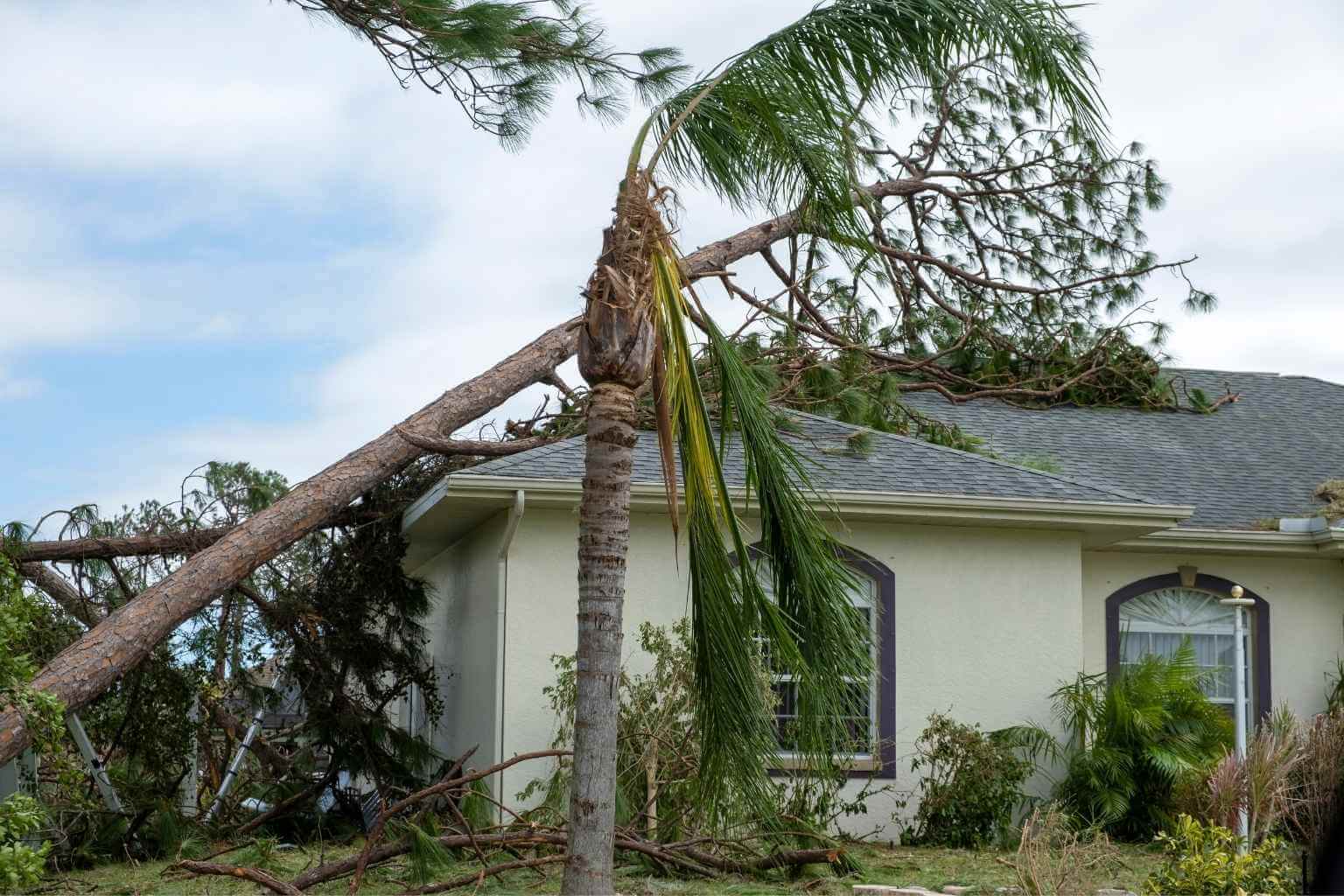
Does Homeowners Insurance Cover Wind Damage?
Wind damage from thunderstorms, hurricanes, or tornadoes is a leading cause of claims in Texas. Homeowners insurance typically covers wind-driven damage to roofs, siding, fences, and outbuildings. However, coastal areas may have separate windstorm deductibles or require special policies. For example, if high winds tear shingles from your roof, your policy likely pays for repairs minus your deductible. Commercial properties in Texas may need additional windstorm endorsements. Royalty Insurance agents review your location and property details to recommend policies that address wind damage risks. For does homeowners insurance cover storm damage to fences or tree damage from storms, coverage usually applies if the damage is sudden and accidental, but policies can vary. Always check your policy for exclusions or contact us for a policy review tailored to your needs in Texas.
How to File a Storm Damage Claim With Homeowners Insurance
Filing a storm damage claim starts with documenting the damage as soon as it is safe to do so. Take clear photos of affected areas, including roof, siding, fences, and interior spaces. Contact your insurance company or your independent agent, like Royalty Insurance, to report the loss. Provide details about the storm event, the damage, and any emergency repairs you made to prevent further loss. Your insurer will assign an adjuster to inspect the property and estimate repair costs. Keep receipts for repairs and temporary lodging, if needed. In Texas, prompt filing ensures faster claim processing and reduces the risk of further property damage. Commercial properties may require additional documentation, such as business interruption expenses. Royalty Insurance agents guide you through each step and help you maximize your claim for covered losses.
Homeowners Insurance Storm Damage Exclusions to Know in Texas
Not all storm-related losses are covered by standard homeowners insurance in Texas. Common exclusions include flooding, earth movement, and gradual water seepage. Storm surge and flood damage require a separate National Flood Insurance Program policy. Power surge from a storm may be excluded unless you have an endorsement. Review your policy’s list of storm damage not covered by homeowners insurance, such as wear and tear or maintenance issues. For does homeowners insurance cover lightning strike damage, most policies do, but check for limits on electronics replacement. Understanding homeowners insurance deductible for storm damage is critical, as hurricane and windstorm deductibles may differ from your standard deductible. Royalty Insurance reviews your policy details to clarify what type of storm damage is covered by homeowners insurance and recommends additional coverage if needed for properties in Texas.
Storm Damage Coverage Tips for Texas Policyholders
Does homeowners insurance cover storm damage in Texas? The answer depends on your policy and property location. Always review your policy annually with a licensed agent, especially before storm season. Consider adding flood or windstorm endorsements if you live in a high-risk area. Maintain your roof and trim trees to reduce claim denials. Save receipts for home improvements, as these can support your claim value. For budget planning, understand how much will homeowners insurance pay for storm damage and whether you have a named-storm deductible. Watch for red flags like delayed claim payments or unclear exclusions. Royalty Insurance specializes in comparing policies and providing clear, unbiased advice for homeowners and businesses across Texas. Contact our team to review your current coverage, discuss tips for getting homeowners insurance to cover storm damage, and get a personalized quote today.
- Review policy for wind and hail coverage
- Check if storm surge and flooding are excluded
- Document property condition with photos annually
- Know your storm damage deductible amount
- Keep records of repairs and upgrades
Frequently Asked Questions About Storm Damage Coverage
Homeowners in Texas often have questions about what their insurance will cover after a severe weather event. Below are answers to common questions about does homeowners insurance cover storm damage and related topics for Texas policyholders.
Does homeowners insurance cover storm damage to roof?
Homeowners insurance usually covers storm damage to roof caused by wind or hail. Coverage applies if damage is sudden and accidental, but normal wear and tear is not covered.
What type of storm damage is covered by homeowners insurance?
Homeowners insurance may cover wind, hail, lightning, and sometimes fallen trees or debris. Flood and earth movement are generally excluded unless you have an additional policy.
Does homeowners insurance cover wind damage?
Most standard homeowners insurance policies in Texas cover wind damage to structures and personal property, but check for separate windstorm deductibles in high-risk areas.
Does homeowners insurance cover hail damage?
Hail damage is usually covered by homeowners insurance, especially in Texas where hailstorms are common. Coverage may include roofs, siding, windows, and sometimes vehicles if you have comprehensive auto insurance.
Does homeowners insurance cover tornado damage?
Homeowners insurance typically covers tornado damage to your home and personal belongings if the damage is direct and caused by the storm event.
Does homeowners insurance cover hurricane damage?
Hurricane damage coverage varies. Wind-related damage from hurricanes is often covered, but storm surge and flooding are not unless you have separate flood insurance.
Does homeowners insurance cover storm surge?
Storm surge is generally excluded from standard homeowners insurance policies. Separate flood insurance is needed for storm surge coverage in Texas.
Does homeowners insurance cover water damage from storms?
Homeowners insurance covers water damage from storms if it enters through a covered opening, like a broken window or roof. Rising water or flooding is excluded without flood insurance.
How to file a storm damage claim with homeowners insurance?
To file a storm damage claim, document the damage with photos, contact your insurer or independent agent, and provide details of the storm event. An adjuster will inspect and estimate repairs.
What are homeowners insurance storm damage exclusions?
Exclusions often include flooding, storm surge, earth movement, and gradual damage. Check your policy for a complete list of storm damage not covered by homeowners insurance.
What is considered storm damage by insurance companies?
Insurance companies consider wind, hail, lightning, and sudden impact from debris as storm damage. Damage must be sudden and accidental to be covered.
Is flooding from storms covered by homeowners insurance?
Flooding from storms is not covered by standard homeowners insurance policies in Texas. Separate flood insurance is required for flood protection.
Does homeowners insurance cover tree damage from storms?
Homeowners insurance may cover tree damage from storms if the tree falls on a covered structure. Removal of trees not causing damage is usually not covered.
Does homeowners insurance cover lightning strike damage?
Lightning strike damage is covered by most homeowners insurance policies, including fire or damage to electronics if directly caused by the strike.
Does homeowners insurance cover power surge from a storm?
Power surge from a storm may be covered if it results from lightning or a covered peril, but check your policy for limits on electronics or appliances replacement.