
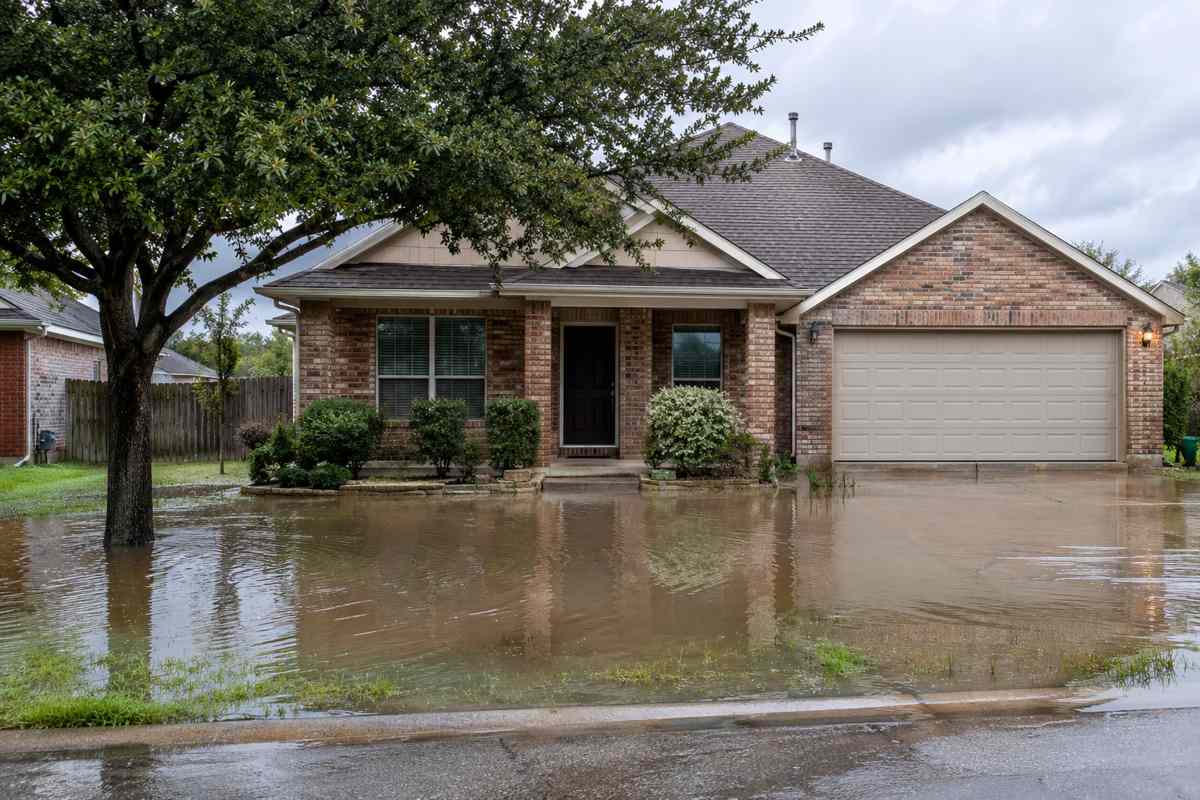
Home insurance can help after a disaster, but it does not cover every cause of damage. Standard policies generally exclude flooding and earthquakes. Some policies also exclude wind and hail, especially on the Texas coast. A storm’s name alone does not determine whether the policy covers a claim.
The cause of loss, policy exclusions, deductibles, and coverage limits all matter. Before the next severe weather event, review which risks your policy covers and which require a separate policy or endorsement.
What Home Insurance Covers
A typical policy may cover fire, lightning, and wind or hail damage when the policy includes those risks. Dwelling coverage helps repair the house after a covered loss. Personal property coverage applies to eligible belongings, while other structures coverage may help with a detached garage or fence.
Loss of use coverage can help with extra living costs when covered damage makes your home unlivable, subject to policy terms and limits. Liability protection serves a different purpose: it addresses covered claims that you are legally responsible for someone else’s injury or property damage. It does not replace disaster coverage for your own home.
Review Royalty’s homeowners insurance options with your actual property and local risks in mind.
Floodwater and storm surge
Rising water from overflowing creeks, heavy runoff, or storm surge generally falls outside standard homeowners coverage. This is different from rain entering through an opening created by a covered windstorm. A home can suffer both types of damage during the same hurricane.
The Texas Department of Insurance’s home, flood, and wind comparison explains why separate policies may be needed. Flood risk also exists outside areas where a lender requires flood insurance.
Earthquakes and other earth movement
Standard policies generally exclude earthquake damage and other earth movement, such as landslides. Earthquake coverage may be available separately or by endorsement. Do not assume an earthquake policy covers every form of shifting ground; review its definitions and exclusions.
Coastal wind and hail exclusions
Some Texas coastal homeowners policies exclude wind and hail. A separate windstorm policy may be necessary, including coverage through the Texas Windstorm Insurance Association for eligible properties. Confirm your actual policy instead of assuming every hurricane-related loss is covered.
Maintenance, seepage, and backup problems
A disaster does not turn routine wear, an old leak, or neglected maintenance into covered damage. Sewer or drain backup may require an endorsement, and that endorsement is not a substitute for flood insurance. TDI’s guide to common home policy exclusions describes important gaps to check.
What Affects Home Insurance Costs
Your rebuilding estimate, location, roof age, construction, and selected coverage influence the premium. Deductibles and endorsements also affect what you pay. Separate flood, earthquake, or windstorm policies add their own costs and terms.
Look beyond the annual premium. A percentage wind or hail deductible is often based on the insured dwelling amount, not the repair bill. For example, if your policy applies a 2% deductible to a $400,000 dwelling limit, your share would be $8,000 before eligible payment. Check the wording to confirm the calculation.
Our home insurance deductible FAQ explains how deductibles work. Also compare replacement cost with actual cash value, which subtracts depreciation and can leave you paying more toward repairs.
Common Claims
These examples show why similar-looking damage can produce different claim outcomes:
- Wind damages the roof, then rain gets inside: Coverage may apply if your policy covers wind and you meet its conditions. Document both the roof opening and interior damage.
- Floodwater enters the ground floor: Standard homeowners coverage generally excludes this loss. Flood coverage must already be in force.
- A tree falls during a storm: Your policy may cover damage to an insured structure but exclude or limit removal of a tree that only falls in the yard.
- A long-standing leak worsens after rain: Many policies exclude gradual water damage. An adjuster must assess the cause and applicable policy language.
The TDI disaster claims FAQ explains these distinctions. When it is safe, photograph damage, make reasonable temporary repairs to prevent further loss, and keep receipts. Contact your insurer before permanent repairs. See how home insurance claims work for the next steps.
How to Choose the Right Policy
Start with your home’s rebuilding cost and the hazards at its location. Ask the agent to identify excluded causes of loss in writing. Then review these details:
- Building and belongings: Confirm that you have the protection you want for both. You typically buy flood building and contents coverage separately.
- Temporary housing: Homeowners loss of use coverage depends on the policy and covered event. NFIP flood policies do not cover additional living expenses.
- Limits and repair terms: Check roof settlement terms, separate deductibles, and available coverage for code-required upgrades.
- Effective dates: NFIP policies generally have a 30-day waiting period, with exceptions. Do not wait until a storm approaches to arrange coverage.
FEMA’s guide to buying flood insurance explains building and contents options. Texas consumers can also review the Office of Public Insurance Counsel’s flood coverage overview, including exclusions for living expenses.
Ways to Save on Home Insurance
Compare quotes using equivalent coverage, deductibles, and settlement terms. Ask about available discounts for eligible roof upgrades, protective devices, or bundled policies. Savings vary by insurer, and an upgrade does not automatically qualify.
Choose a deductible you could afford after a major loss. Avoid lowering the dwelling limit below a realistic rebuilding estimate simply to reduce the premium. Keep a home inventory with photos, receipts, and copies stored somewhere accessible if you must evacuate.
Contact Royalty Insurance to review your disaster coverage gaps and compare available options before severe weather arrives. Bring your declarations page and endorsements so the review covers the protection you actually have.


