Does homeowners insurance cover wind damage? This is a critical question for property owners in Texas, where strong winds from storms, hurricanes, and tornadoes can cause major property damage. Royalty Insurance, an independent insurance agency based in Texas, helps homeowners understand what type of wind damage is covered by homeowners insurance and provides expert guidance on policy options. Coverage details can vary, so understanding your homeowners insurance wind damage coverage is essential to avoid surprises after a storm.
Homeowners in Texas face unique risks from high winds, wind-driven rain, and flying debris. Comprehensive homeowners insurance for wind damage may include protection for roof damage, siding, fences, windows, and even sheds. Royalty Insurance compares policies from top-rated carriers to find coverage that matches your budget and protects your home from Texas weather events. Understanding filing a claim for wind damage with homeowners insurance and policy wind damage exclusions can help you make confident, informed decisions.
Why Homeowners Insurance Matters for Wind Damage
Homeowners insurance covers financial losses from unexpected wind damage. Texas policies often protect against roof damage, broken windows, and structural impacts from storms. Policies can vary in deductible amounts and coverage scope. Having the right homeowners insurance reduces out-of-pocket repairs after wind or storm events.
- Protects structures from severe wind and storm loss
- Reduces repair costs for roof and siding damage
- Helps cover damage from tornadoes and hurricanes
- Includes liability protection for property damage
- Assists with quick claims processing after storms
Is Wind Damage Covered Under Standard Homeowners Insurance?
Most standard homeowners insurance policies in Texas include wind damage coverage for sudden events like storms or tornadoes. Coverage extends to the main dwelling, attached structures, and personal property affected by wind. However, some policies may exclude hurricane wind damage or require a separate windstorm endorsement, especially in coastal areas. Reviewing your policy is crucial because exclusions or limitations may apply to wind-driven rain or flooding. Royalty Insurance recommends checking whether your policy covers wind damage to fences, sheds, and detached garages, as these areas sometimes have lower coverage limits. Understanding homeowners insurance policy wind damage exclusions ensures you are financially protected from common Texas weather threats.
What Type of Wind Damage Is Covered by Homeowners Insurance?
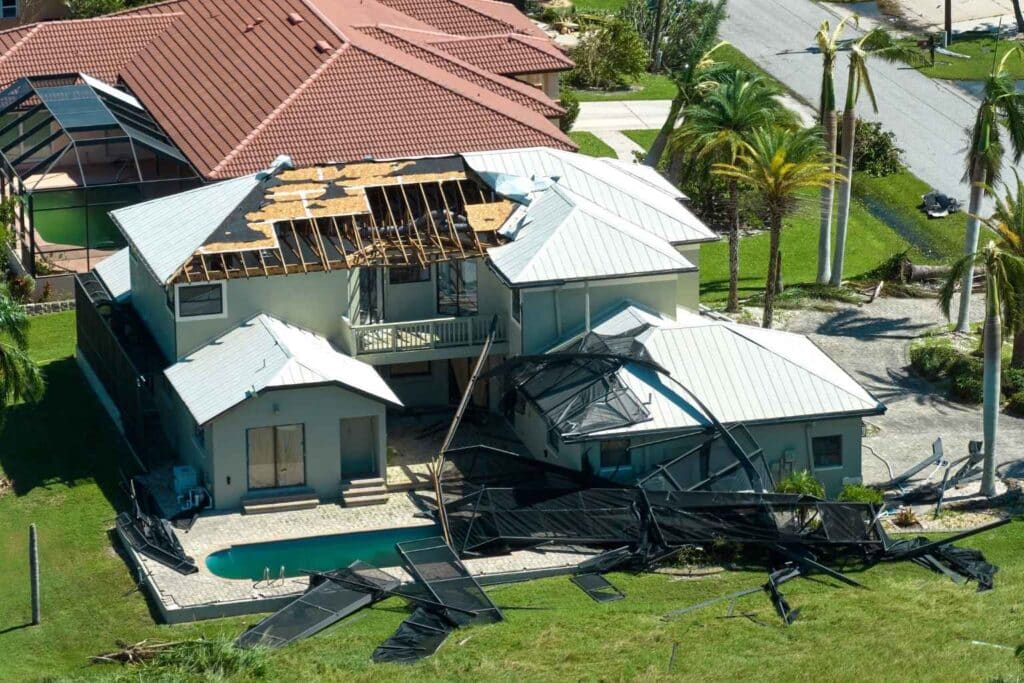
Homeowners insurance wind damage coverage in Texas typically includes damage to roofs, windows, siding, fences, and personal property caused by high winds. For example, if a windstorm tears shingles off your roof or a tree falls onto your house, those repairs are generally covered. Coverage for wind-driven rain may depend on whether the wind first created an opening in the structure. Wind damage to windows or siding from flying debris is usually included, but cosmetic-only damage may not be. For commercial policyholders, coverage applies to business property and inventory, providing essential protection for retail or office spaces. Always check your policy for coverage limits, deductibles, and the process for filing a claim for wind damage with homeowners insurance. Knowing what is considered wind damage by homeowners insurance helps homeowners and business owners in Texas prepare for unexpected losses.
How Much Does Homeowners Insurance Cover for Wind Damage?
The amount homeowners insurance covers for wind damage depends on your policy limits, deductible, and any special endorsements. Standard policies in Texas often cover the cost to repair or replace damaged roofs, windows, siding, and fences, minus your wind damage deductible. Some policies may have separate deductibles for hurricane wind damage or tornado wind damage. For example, if your policy has a 2 percent wind deductible and your insured value is $300,000, your out-of-pocket cost could be $6,000 before coverage starts. Policyholders should also review whether homeowners insurance covers wind damage from storms, wind damage to sheds, or tree damage from wind. Royalty Insurance helps clients in Texas compare policy limits and deductibles to ensure coverage matches their budget and property risk profile. Reviewing your policy annually can help avoid unexpected costs after storms.
How to Get Homeowners Insurance to Pay for Wind Damage
Timely action and complete documentation are key to ensuring your homeowners insurance pays for wind damage in Texas. After a storm, document all visible damage with photos and notes, including roof, siding, windows, and fences. Contact your insurer or independent agent as soon as possible to file a claim. Provide details about the incident, such as the date, cause, and extent of the wind damage. Keep receipts for emergency repairs and work with licensed contractors for repairs. Royalty Insurance guides clients in Texas through filing a claim for wind damage with homeowners insurance, helping maximize reimbursement and avoid common claim denials. Policyholders should review their coverage for wind-driven rain, wind damage to sheds, and homeowners insurance policy wind damage exclusions to understand what is required for a successful claim.
Smart Steps for Wind Damage Protection and Claims in Texas
Understanding whether your homeowners insurance covers wind damage is essential for Texas residents. A strong policy should address common risks like roof wind damage, tornado wind damage, and wind-driven rain. Royalty Insurance helps homeowners and business owners in Texas compare policies, understand exclusions, and get the most from their claims. Review your policy annually and after major weather events to ensure your coverage matches current risks and property values. Pay attention to deductibles, coverage limits, and any changes in windstorm endorsements. Watch for red flags like low coverage on detached structures or unclear exclusions for wind damage to fences or sheds. Reach out to Royalty Insurance for expert, independent advice and a custom policy review today.
- Review wind and storm coverage every year
- Document all storm damage with photos
- Understand your wind damage deductible
- Check for exclusions on sheds and fences
- Contact an agent after any storm loss
For more guidance on topics like does homeowners insurance cover wind damage from storms and policy exclusions, speak with Royalty Insurance. Make informed decisions about homeowners insurance wind damage coverage in Texas. Find reliable resources like the home insurance entry for further reading. Protect your property in Texas by contacting Royalty Insurance now for a personalized review and claim support.
Frequently Asked Questions About Homeowners Insurance Wind Damage Coverage
Learn answers to common questions about homeowners insurance wind damage coverage, exclusions, claim processes, and specific protections for Texas residents. These FAQs help clarify what is covered, what to watch out for, and how to maximize your policy benefits in Texas.
Does homeowners insurance cover wind damage from storms?
Yes, homeowners insurance typically covers wind damage from storms if the damage is sudden and accidental. Coverage often includes repairs to roofs, siding, and windows.
Does homeowners insurance cover hurricane wind damage?
Homeowners insurance may cover hurricane wind damage, but in Texas, some policies require a separate windstorm or hurricane endorsement. Check your policy for details on exclusions or deductibles.
Does homeowners insurance cover tornado wind damage?
Most standard policies in Texas cover tornado wind damage to your dwelling and personal property, as long as the event is not excluded in your policy documents.
Does homeowners insurance cover roof wind damage?
Homeowners insurance often covers roof wind damage caused by storms, tornadoes, or hurricanes. Coverage depends on the age of the roof and policy terms.
Does homeowners insurance cover wind driven rain?
Homeowners insurance may cover wind driven rain if wind creates an opening in the structure, like a broken window or damaged roof, that allows rainwater inside.
How much does homeowners insurance cover for wind damage?
The coverage amount depends on your policy limits, deductible, and any special endorsements. Review your policy to understand the exact coverage for wind damage.
What type of wind damage is covered by homeowners insurance?
Most policies cover sudden and accidental wind damage to roofs, windows, siding, fences, and personal property, but cosmetic damage may not be covered.
Does homeowners insurance cover siding damage from wind?
Homeowners insurance usually covers siding damage from wind if caused by a sudden event, but some policies may have exclusions for cosmetic damage.
Does homeowners insurance cover wind damage to fences?
Wind damage to fences is often covered but may have lower coverage limits or specific exclusions. Check your policy details for Texas-specific terms.
Is wind damage covered under standard homeowners insurance?
Wind damage is generally covered under standard homeowners insurance, but it is important to check for any exclusions or separate windstorm endorsements in Texas.
Does homeowners insurance cover tree damage from wind?
Homeowners insurance may cover tree damage from wind if the tree falls on your house or insured structure. Removal costs may be limited by your policy.
What are homeowners insurance policy wind damage exclusions?
Exclusions can include cosmetic-only damage, certain types of fences or sheds, or damage from flooding. Always review your policy for a full list of exclusions.
How do I file a claim for wind damage with homeowners insurance?
Document all damage, contact your insurer or agent, and submit a claim with photos, descriptions, and repair estimates. Follow up regularly until your claim is resolved.
Does homeowners insurance cover wind damage to windows?
Yes, most policies cover wind damage to windows if caused by a covered event, such as a storm or tornado, but may not cover regular wear and tear.
How can I get homeowners insurance to pay for wind damage?
Provide thorough documentation of damage, respond promptly to requests for information, and work with your insurer or an independent agent to maximize your claim approval.