
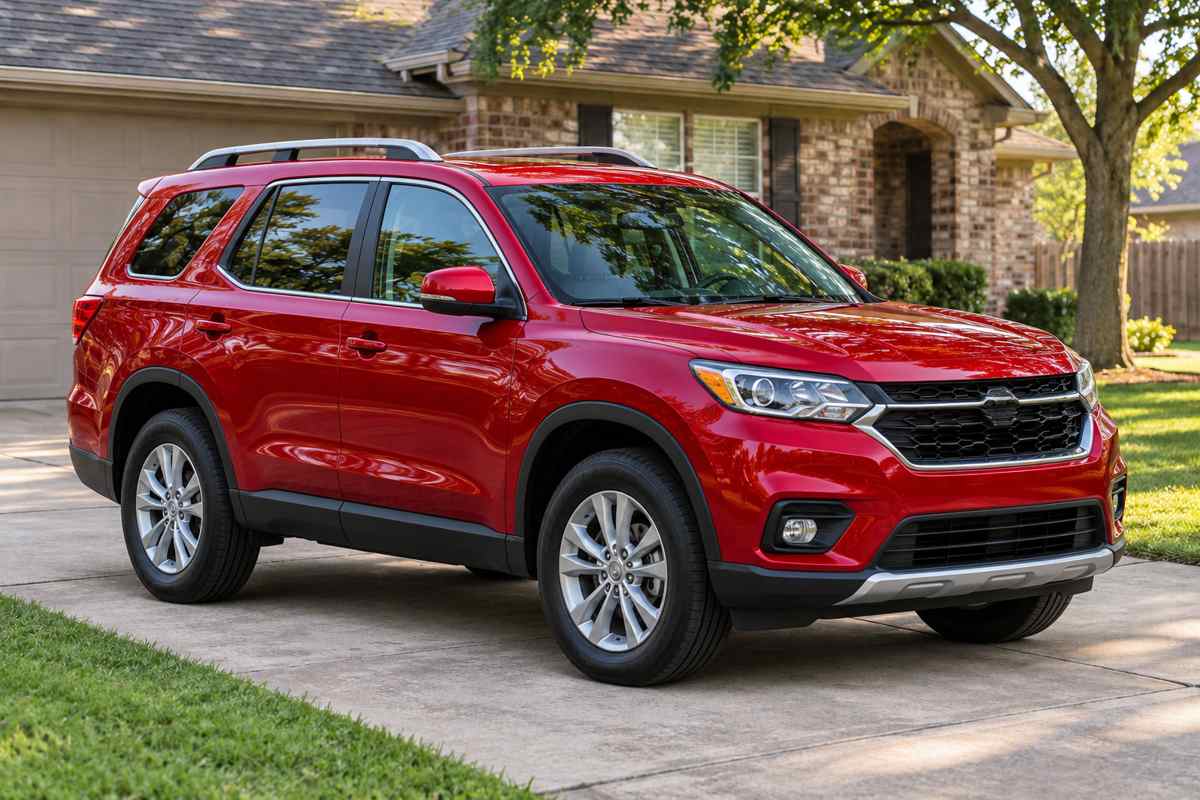
No, red cars do not cost more to insure simply because they are red. The red car insurance myth confuses paint color with factors such as vehicle type, repair costs, and the driver’s record. A red SUV and a similar SUV in another factory color do not become different insurance risks just because of the shade.
The Insurance Information Institute’s guide to auto insurance myths explains that color does not determine the price of an auto policy. If you prefer red, focus your shopping on the vehicle and protection you need rather than choosing another color in the hope of an automatic discount.
There is one useful distinction: an expensive custom paint job is a modification that may need special coverage. That concerns the cost of protecting an added feature, rather than a surcharge for the color red.
What Insurance Covers
Your vehicle’s color does not decide which losses are covered. The coverages you purchase, their limits, deductibles, and exclusions do. When comparing car insurance options, understand the separate parts of the contract:
- Liability: addresses eligible claims that you caused injuries or property damage to others.
- Collision: addresses covered damage to your vehicle from a collision, subject to its settlement terms and deductible.
- Comprehensive: addresses covered noncollision events, such as theft, hail, vandalism, or fire.
- UM/UIM: can help with eligible losses caused by drivers who have no insurance or inadequate insurance.
- Optional benefits: rental reimbursement and other additions have their own limits and conditions.
The Texas Office of Public Insurance Counsel coverage overview explains these distinctions. “Full coverage” is an informal label, so ask for the actual coverage list instead of assuming it protects every repair or modification.
Red Car Insurance and Custom Paint
If you add custom paint, a wrap, or other aftermarket equipment, tell your agent and ask how it would be valued after a loss. Progressive’s explanation of the red-car myth distinguishes ordinary color from custom paint that may need optional protection. Limits and availability vary; a repaint is not automatically covered in full.
What Affects Insurance Costs
Car insurance premiums reflect the insurer’s assessment of potential claims. Vehicle make, model, age, value, repair complexity, and safety features can matter. Driver information, location, annual mileage, and how the vehicle is used also influence a quote.
The Texas Department of Insurance explains how premiums are calculated. It notes that companies use different formulas and consider broader costs, including parts, repairs, and claims. That helps explain why your renewal may change even when your vehicle and driving habits have not.
Consider a practical comparison: a red high-performance vehicle and a white family SUV differ in far more than color. Engine, model, repair costs, and other specifications can explain a price difference. Comparing those two quotes does not isolate the effect of paint.
For a useful comparison, give each insurer accurate vehicle details and hold the drivers, address, limits, deductibles, and effective date constant. If two quotes differ, ask which vehicle or policy details account for it.
Driving behavior also matters. A ticket or accident can affect your record regardless of the color you drive. Read how driving records affect auto insurance for the Texas distinction between the repealed state points program and insurer rating decisions.
Common Claims
These examples show how coverage responds to the cause of loss, rather than paint color. They are illustrative, not a ranking of claim frequency:
- A parking-lot collision: covered damage to your vehicle may fall under collision coverage.
- Hail dents the hood: comprehensive coverage may respond if you carry it.
- The vehicle is stolen: comprehensive coverage and the policy’s valuation terms matter.
- You damage another car: your liability coverage may address eligible losses to the other person.
A red vehicle does not receive a different deductible solely because it is red. However, a custom finish may raise questions about covered equipment and repair methods. Keep invoices and photographs, and ask about coverage before paying for expensive modifications.
How to Choose the Right Policy
Start with the losses you need help paying for. Consider your vehicle’s value, any loan or lease requirements, liability exposures, and the amount you could fund after an accident. Then compare policies with equivalent protection.
Use this checklist when requesting quotes:
- Confirm the vehicle. Check the year, model, trim, and relevant equipment.
- Match coverage limits. A cheaper quote with lower liability limits is a different product.
- Compare deductibles. Review collision and comprehensive separately.
- Disclose use and modifications. Mention rideshare, delivery, business use, custom paint, or added equipment.
- Review optional protection. Ask whether rental benefits or special equipment coverage fit your needs.
Request the total premium for the full policy period and check installment charges. If replacing a policy, confirm the new effective date before canceling existing protection.
Ways to Save on Insurance
Changing your car’s color is not a reliable savings strategy. Compare equivalent quotes, maintain accurate policy information, and ask about discounts for safe driving, multiple vehicles, bundling, or eligible protective devices. The TDI savings guide recommends shopping around and checking available discounts.
A higher deductible may lower premiums, but weigh the actual savings against what you would owe after a loss. Avoid dropping important coverage simply to obtain the lowest price. Before buying any vehicle, request quotes for the models you are considering.
Still comparing red car insurance options? Contact Royalty Insurance with the vehicle details and your current policy. We can help Texas drivers compare available protection and understand what is behind the premium.
Coverage, pricing, and discounts depend on the insurer, policy terms, vehicle, and driver. Examples do not guarantee payment or savings.


