
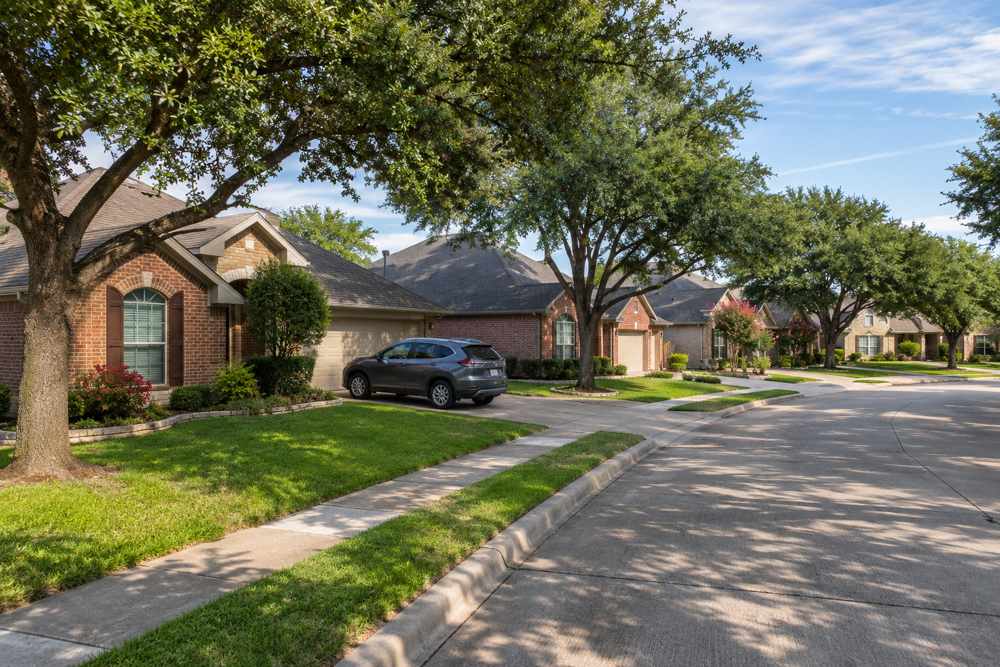
Your ZIP code can affect insurance premiums because location helps insurers estimate how often losses may occur and how much they may cost. Weather, theft, traffic, local repair expenses, and fire protection can create different risks across areas. However, a ZIP code is only part of the picture: the home, vehicle, people insured, and coverage choices also matter.
The Texas Department of Insurance explains how insurers calculate premiums using individual factors and broader claims costs. Two households in the same neighborhood can therefore pay different amounts, while a move within one city can change a quote.
There is no single statewide price attached to each postal code. For that reason, ask your insurer how the specific address affects your policy rather than assuming a neighborhood average predicts your bill.
What Insurance Covers
Location influences the protection worth reviewing, but the policy determines whether the insurer covers a loss. Homeowners insurance commonly includes protection for the dwelling, eligible belongings, certain detached structures, additional living expenses, and liability. Limits, covered causes of loss, and settlement terms vary.
Auto policies combine different options. Liability addresses eligible damage or injuries you cause to others. Collision addresses covered crash damage to your car, while comprehensive can address covered theft, hail, and other noncollision events. Living in a higher-risk area does not automatically add any of these optional coverages.
Review your homeowners insurance options and car insurance options separately. However, a bundled quote still contains policies with different coverage terms.
Also distinguish flood risk from standard home coverage. Most homeowners policies exclude flood damage. FEMA’s FloodSmart resource explains that property location, elevation, nearby water sources, and building characteristics affect flood risk. A ZIP code alone does not show every exposure at a particular property.
What Affects Insurance Costs
Why Insurance Premiums Vary by Location
Insurers evaluate the likelihood and potential size of claims. The TDI underwriting guide identifies location and local fire protection as considerations for homes, and where a vehicle is kept as a consideration for auto coverage.
- Weather exposure: hail, wind, wildfire, or coastal storms can affect expected losses and available protection.
- Traffic and theft: the environment where a vehicle is used and kept can affect accident or theft exposure.
- Repair and rebuilding costs: labor, materials, parts, and construction complexity influence potential claim costs.
- Emergency protection: access to local fire services can matter when a home is evaluated.
- Individual details: roof condition, home features, vehicle model, driving history, and selected limits help distinguish one policy from another.
These factors do not create a universal urban-versus-rural rule. A less congested area may still have significant storm exposure or different emergency-service access. Ask which factors apply to the address you are insuring.
Texas also places limits on unfair pricing. In its September 2026 guidance on discriminatory pricing, TDI explained that home and auto pricing must reflect insurance risk, rather than assumptions about a customer’s willingness to shop. A geographic difference is not a blank check for arbitrary charges.
If insurance premiums rise at renewal, ask what changed. Address information, coverage limits, discounts, and broader rate changes can all be relevant. Do not assume that a local claim or a move explains the entire increase.
Common Claims
These scenarios illustrate why location and coverage should be reviewed together. They are examples, not a ranking of claim frequency:
- Hail damages a roof and a parked vehicle. The home and auto claims involve separate contracts, deductibles, and settlement terms.
- A vehicle is stolen. Comprehensive coverage may be relevant; carrying liability alone does not provide the same protection for your car.
- A house fire requires rebuilding. The dwelling limit and loss-settlement provisions affect what is available for covered work.
- Surface flooding reaches a home. Flood coverage must be reviewed separately instead of assuming a home policy will respond.
A neighborhood’s loss exposure and your own claim history are different considerations. Ask how each affects your policy. If a covered loss exceeds your limit, your location does not remove the shortfall; our article on insufficient home insurance coverage explains that risk.
How to Choose the Right Policy
Before moving, request quotes for the actual new address. Provide accurate home details and where you normally keep your vehicle, along with mileage and use. Ask when you need to report the move and when any revised premium takes effect.
Use this checklist to compare insurance premiums meaningfully:
- Keep the facts consistent. Use the same address, drivers, vehicles, property details, and effective date across quotes.
- Match the protection. Compare equivalent limits, optional coverages, exclusions, and settlement terms.
- Check every deductible. Identify separate wind, hail, collision, or comprehensive deductibles and calculate what you could owe.
- Review address-specific gaps. Ask about flood, coastal wind, occupancy changes, and other exposures relevant to the property.
- Confirm the total cost. Review the full policy-period premium, payment charges, and any conditions attached to discounts.
Tell the insurer where the home or car is actually located. Using a different mailing address to seek a cheaper rate can create serious coverage problems. Obtain written answers to important questions and confirm replacement coverage before canceling an existing policy.
Ways to Save on Insurance
You can compare options even when you are staying in the same ZIP code. The TDI shopping guide recommends comparing equivalent policies, choosing deductibles carefully, and asking about available discounts.
Ask whether protective devices, documented home improvements, bundling, or multiple vehicles qualify for savings. Eligibility varies by company. Request actual quotes rather than assuming a home upgrade or security device guarantees a reduction.
A higher deductible may reduce insurance premiums, but it transfers more of a covered loss to your savings. Keep rebuilding estimates and liability needs in view when comparing lower-priced options. Review the policy at renewal and after changes in address, occupancy, vehicle use, or major home features.
Want help understanding the price for your address? Contact Royalty Insurance with your current declarations pages and accurate property or vehicle details. We can help Texas households compare available coverage and the differences behind the premium.
Coverage, eligibility, pricing, and discounts depend on the insurer, policy, location, and individual circumstances. Examples do not guarantee coverage or savings.


