Vehicle safety features can lower your car insurance cost, but a discount is never automatic. Insurers weigh a vehicle’s crash risk, theft risk and repair costs alongside your driving history and coverage choices. A safer car may qualify for savings, while expensive cameras and sensors can make repairs costlier. The most useful comparison is a quote for the exact vehicle you plan to insure.
For Texas drivers, Royalty Insurance can help compare car insurance options and check which equipment-related discounts each insurer offers.
Key takeaways
- Airbags, anti-lock brakes and anti-theft devices may qualify for discounts, depending on the company.
- Advanced driver assistance systems (ADAS) help with certain driving tasks, but do not guarantee a lower premium.
- A safety discount may apply to only part of your policy. Compare the total price and coverage.
- Use the vehicle identification number (VIN), trim and installed equipment when requesting quotes.
Which vehicle safety features can affect car insurance?
The Texas Department of Insurance auto insurance guide lists airbags, anti-lock brakes and anti-theft devices as possible discount qualifications. Each insurer decides which discounts it offers and their amounts. Ask your agent to verify eligibility for your vehicle.
Airbags, anti-lock brakes and anti-theft devices
Start by asking about these established equipment categories. Request the discount name, the coverage it applies to and the documents needed. Do not assume every standard feature earns a separate discount or that discounts add together without limits.
Automatic braking, blind-spot alerts and lane assistance
According to NHTSA’s driver assistance technology guide, automatic emergency braking can apply the brakes when a forward collision is imminent. Blind-spot warning alerts you to nearby vehicles, while lane-keeping assistance can provide steering help. Warning systems and intervention systems perform different jobs, so identify the equipment accurately.
Ask whether your insurer offers a specific ADAS discount or considers that equipment through its vehicle rating. A system’s safety benefit does not establish a universal insurance discount. Read your owner’s manual and stay attentive; these features assist the driver.
Why a safer vehicle can still cost more to insure
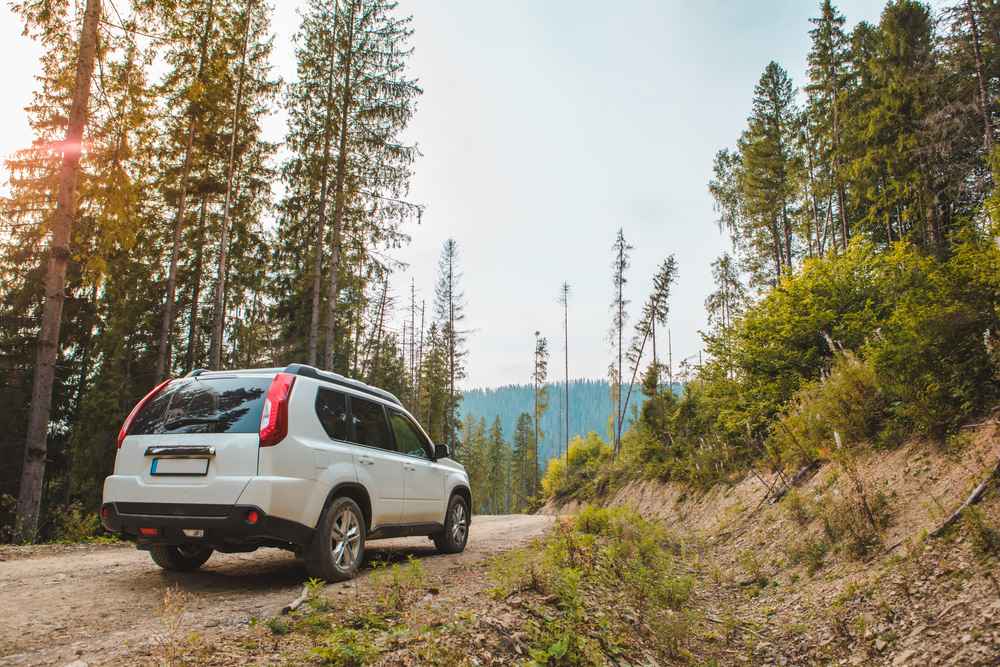
A vehicle with advanced safety equipment can still have a higher car insurance premium than a simpler model. Cameras, radar sensors and related components may require specialized repair or calibration. Ask the repair shop and insurer what a repair involves for the vehicle you are considering.
The Texas Department of Insurance explains that higher vehicle repair and replacement costs can put upward pressure on rates. This means a safety discount and a higher total premium can exist at the same time.
For example, compare two SUVs with identical drivers, coverage limits and deductibles. One quote may show an equipment discount but still have a higher final price. The discount alone cannot tell you which policy offers better value.
Do safety features change what car insurance covers?
Safety equipment does not automatically add coverage or lower your deductible. Liability, collision and comprehensive coverage serve different purposes. Damage to a sensor after an accident may fall under collision coverage, while theft or other covered non-collision damage may fall under comprehensive coverage, subject to policy terms and deductibles.
“Full coverage” is an informal phrase rather than a guarantee that every loss is covered. Ask about glass coverage, replacement parts, calibration, exclusions and your out-of-pocket costs. If repairs leave you needing a temporary vehicle, also review our previous post, Does Car Insurance Cover Rental Cars? It Depends, and confirm whether you have rental reimbursement coverage.
How to check safety-feature discounts before buying a car
- Gather the exact vehicle details. Provide the VIN, model year, trim and factory-installed safety equipment.
- Ask about eligible discounts. Have the agent explain which equipment qualifies and whether the discount is already included.
- Keep the comparison consistent. Use the same drivers, address, mileage, coverage limits and deductibles across quotes.
- Review repair coverage. Ask how the policy handles damaged cameras, sensors and necessary calibration after a covered loss.
- Compare the total cost. Review the premium, payment fees, deductibles and coverage together before choosing.
The Texas Department of Insurance shopping checklist provides additional questions about coverages, discounts and costs.
Compare car insurance options with Royalty Insurance
Bring your current policy and vehicle details to Royalty Insurance for a review of coverage and available discounts. If you are buying a new car, request quotes before committing so insurance fits your budget.
Request a car insurance quote or call 972-801-9188 to discuss your options with the Royalty Insurance team in Texas.
Frequently asked questions
Does automatic emergency braking reduce car insurance?
It may affect pricing, but there is no universal discount. Ask whether the insurer recognizes your vehicle’s system and compare the final quoted premium.
How much can I save with vehicle safety features?
There is no single savings percentage that applies to every driver or car. Eligibility, discount amounts and the coverage receiving the discount vary by insurer.
Will a five-star safety rating guarantee cheaper insurance?
No. A crash-test rating is useful safety information, but an insurance quote also reflects the driver, vehicle, repair costs and selected coverage.
Can I get a discount after adding an aftermarket safety device?
Ask the insurer before buying or installing it. Confirm the device qualifies, what proof is required and whether the expected savings justify the cost.
Do safety features automatically lower my deductible?
No. Your deductible follows the terms of your policy. Confirm any deductible benefit separately rather than assuming safety equipment changes it.