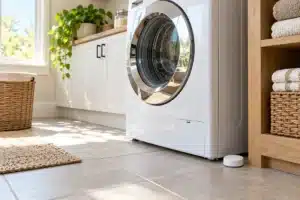
A sunny forecast does not protect your home from water damage. A washing machine hose, leaking water heater, or hidden plumbing problem can damage floors and cabinets without a drop of rain.
For Texas homeowners, water damage prevention starts with knowing where leaks can develop and how to respond. It also means understanding your policy before you need to file a claim. Royalty Insurance can help you review your homeowners insurance coverage and ask the right questions about water-related losses.
Where Indoor Water Damage Can Start
Make a habit of checking the places where your home stores, supplies, or drains water:
- Washing machines: Inspect supply hoses and connections for moisture, cracks, or bulges.
- Water heaters: Look for dampness around the base and have unusual corrosion or dripping evaluated.
- Sinks and toilets: Check cabinets, supply lines, and surrounding floors for moisture or discoloration.
- Dishwashers and refrigerators: Watch for water near appliance edges and ice-maker supply connections.
- Air conditioning systems: Ask your service professional to check condensate drainage during maintenance.
Pay attention to musty odors, warped flooring, stains, and unexplained changes in water use. A warning sign deserves investigation even when you cannot see an active leak.
Five Practical Ways to Prevent Water Damage
1. Inspect Hoses and Connections Regularly
Check accessible plumbing and appliance connections during routine cleaning. Follow the manufacturer’s replacement and maintenance guidance rather than waiting for a visible failure. If you notice deterioration or persistent moisture, have a qualified professional assess the problem.
2. Place Leak Detectors Near Vulnerable Areas
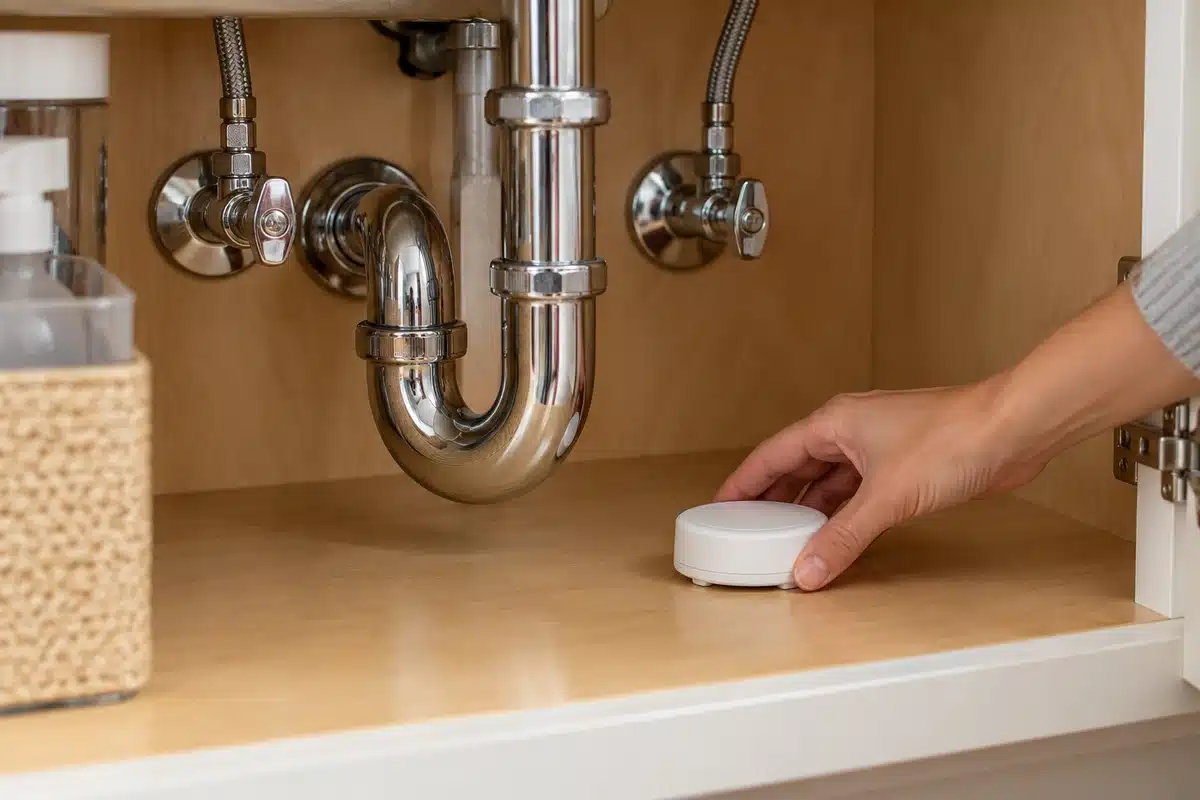
A water leak detector can alert you when water reaches the sensor. Consider locations near a washing machine, water heater, or under-sink plumbing. Choose a device that fits your needs, whether that is a local alarm or phone notifications, and test it according to the instructions.
A sensor provides a warning; it does not stop the water by itself. If you want automatic shutoff, ask a plumber about a compatible system and how it would work in your home.
3. Know Your Water Shutoff Locations
Locate the main shutoff and the valves serving individual fixtures. Make sure household members know where they are and how to use them. Ask a plumber to demonstrate if you are unsure, and have a stuck or damaged valve evaluated before an emergency.
4. Investigate Small Changes Early
Do not ignore a damp cabinet, a recurring drip, or a stain that keeps returning. Cleaning up visible water without identifying its source can leave the underlying problem unresolved. Keep a simple record of maintenance, repairs, and appliance replacements.
5. Make a Plan Before Leaving Home
Before an extended trip, inspect accessible connections and decide who can respond if a leak alarm sounds. Check batteries, notification settings, and connectivity on smart devices. Ask a professional whether shutting off the main supply is appropriate for your home’s equipment.
Does Homeowners Insurance Cover Water Damage in Texas?
Coverage depends on the source of the water and your policy’s terms. Many policies cover sudden, accidental losses such as a burst pipe or broken washer hose. Long-term leaks and seepage are usually excluded.
Flood damage generally requires separate flood coverage. Mold damage and mold testing or cleanup can also have different coverage rules. The Texas Department of Insurance’s water damage and mold guide explains these distinctions.
During a policy review, ask about your deductible, water-related exclusions, sewer or drain backup protection, and any coverage limits. Request an explanation of the wording that applies to your home rather than assuming every water loss is handled the same way.
What to Do If You Discover a Leak
Stop the water if safe, protect belongings, and begin drying affected areas. Photograph damage, notify your insurer promptly, and retain receipts. Coordinate permanent repairs and disposal of damaged items with the insurer. Use a qualified restoration service when needed.
Royalty Insurance’s payments and claims resources can help you find your carrier’s contact information.
Frequently Asked Questions
Is a slow plumbing leak usually covered?
Gradual leaks are commonly excluded. Hidden leaks can raise policy-specific questions, so report damage promptly and ask your insurer to review the circumstances.
Does a leak detector guarantee an insurance discount?
No. Ask your agent whether your carrier offers a discount and which devices qualify before purchasing equipment for that purpose.
Will insurance replace the appliance that caused the leak?
Ask separately about resulting water damage and the failed appliance. Coverage for damaged floors or cabinets does not automatically mean the worn-out appliance is covered.
Review Your Home’s Protection With Royalty Insurance
Prevention and a clear understanding of your coverage work together. Bring your current policy and questions about leaks, deductibles, and optional protection to a coverage review.
Request a homeowners insurance quote from Royalty Insurance or call 972-801-9188 to discuss protection for your Texas home.
Coverage is subject to the policy’s terms, conditions, exclusions, limits, and deductibles.