Yes, homeowners insurance typically covers detached structures through other structures coverage, also called Coverage B. This can help pay to repair or rebuild a detached garage, shed, or fence after a covered loss. Your payment depends on the policy’s limits, deductible, exclusions, and loss settlement terms.
What counts as a detached structure?
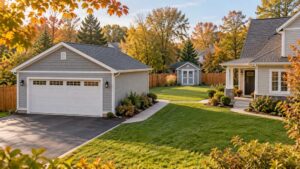
A detached structure is separate from your main house. Common examples include freestanding garages, storage sheds, gazebos, and fences. An attached garage usually falls under dwelling coverage instead. Ask your agent how your policy classifies structures connected by a breezeway or another unusual connection. Learn about other structures coverage.
What damage does other structures coverage pay for?
Coverage may apply to damage from fire, lightning, wind, hail, vandalism, or falling objects, depending on your policy. For example, if a covered storm causes a tree to fall onto your detached garage, Coverage B may help with repairs. Wind and hail can have separate deductibles or restrictions, so check those details before assuming the full repair bill is covered.
How much coverage do detached structures have?
Many policies set other structures coverage at about 10% of the dwelling coverage limit. If your house has $400,000 in dwelling coverage, that could mean $40,000 for other structures. This is generally a shared limit for covered other structures, rather than $40,000 for each building. Your actual limit appears on your declarations page. See how Coverage B limits work.
A large garage or several outbuildings may cost more to rebuild than that default limit allows. Compare current rebuilding estimates with your available coverage and ask whether a higher limit is available.
What is usually excluded?
Standard homeowners insurance generally excludes flood and earthquake damage. Separate coverage may be available, but confirm which detached buildings it includes. The NAIC explains common policy exclusions.
Normal wear and tear, deterioration, and maintenance problems are also generally excluded. A shed damaged by a covered fire is different from a shed that needs a new roof because it has aged. Business use or renting out a detached building can also affect eligibility for coverage. Tell your agent before converting a garage into a business workspace or a shed into a rental unit.
Are belongings inside a detached garage or shed covered?
Coverage B protects the structure. Tools, bicycles, lawn equipment, and other belongings inside usually fall under personal property coverage, subject to its own limits, deductible, and exclusions. Business equipment may have additional restrictions. Learn how garage contents and building damage are treated differently.
Will insurance pay the full replacement cost?
Not always. Your deductible and coverage limit affect the amount payable, and some property may be settled at actual cash value, which accounts for depreciation. Fences, for example, are often subject to depreciation. Ask how your policy settles losses for each structure. Travelers explains fence claims and depreciation.
How can I check whether I have enough coverage?
List your detached structures, photograph them, and estimate what each would cost to rebuild today. Review your Coverage B limit and applicable deductibles, then tell your agent about additions or changes in use.
Need help reviewing your detached structures coverage? Royalty Insurance can help Texas homeowners review their policy limits and available options. Explore our homeowners insurance coverage or request a coverage review.
Coverage varies by insurer and policy. Your policy terms determine whether a loss is covered.