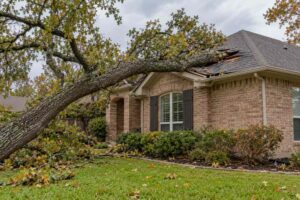
For many Texas homeowners, understanding if homeowners insurance covers earthquakes is essential for protecting their property from unexpected disasters. Most standard homeowners insurance policies do not cover earthquake damage, leaving many residents at risk in the event of seismic activity. At Royalty Insurance, our independent agents help customers navigate the difference between earthquake insurance and homeowners insurance, ensuring you have all the facts needed to make informed decisions for your Texas home.
Our team at Royalty Insurance reviews rates and coverage options from top-rated insurers to provide affordable and reliable choices tailored to each family or business. Whether you own a single-family home in Dallas or manage a business in Houston, we explain what is covered by homeowners insurance, highlight homeowners insurance exclusions, and guide you through adding earthquake insurance policy coverage if it is right for you. Protect your Texas property with the right expertise and support from our local, highly rated agents.
How Homeowners Insurance Works For Texas Properties
Homeowners insurance protects property owners against losses from events like fire, theft, and some natural disasters. Policies often cover the structure, personal belongings, and liability claims. Standard plans usually exclude earthquake damage, so Texas residents should assess whether separate earthquake insurance is necessary based on their location and risk tolerance.
- Covers fire and certain water damage events
- Includes personal property and liability protection
- Requires separate policy for earthquake damage
- Protects against theft and vandalism losses
- Offers additional living expense coverage after loss
Does Homeowners Insurance Cover Earthquakes And Floods In Texas?

Most Texas homeowners insurance policies do not cover earthquakes or floods. Separate policies are often required for both types of disasters. Earthquake insurance policy coverage provides financial protection for structural repairs, personal property replacement, and additional living expenses if your home becomes uninhabitable. Flood insurance is another standalone product, available through the National Flood Insurance Program or private insurers, addressing water damage caused by rising water or storm surge.
For example, a homeowner in Dallas who experiences earthquake damage would not have coverage under a standard policy but could file a claim if they purchased an earthquake insurance endorsement. Similarly, residents in Houston’s flood-prone neighborhoods need separate flood coverage to address water-related losses. Assessing your property’s location and disaster risk is crucial for making the right insurance choices in Texas.
Earthquake Insurance Vs Homeowners Insurance In Texas
Earthquake insurance and homeowners insurance address different risks. While homeowners insurance covers incidents like fire, theft, and certain weather events, it specifically excludes earthquake damage. Earthquake insurance fills this gap by covering structural repairs, debris removal, and sometimes personal belongings after a seismic event. The difference between earthquake and homeowners insurance impacts claim eligibility and out-of-pocket costs after a disaster.
For Texas businesses and homeowners, understanding what is covered by homeowners insurance helps avoid surprises when disaster strikes. If your property is in an area with moderate to high home insurance and earthquake risk, a dedicated earthquake policy can prevent devastating financial loss. Reviewing your policy’s exclusions and coverage limits ensures your insurance strategy aligns with your property’s exposure.
Can You Add Earthquake Coverage To A Homeowners Policy In Texas?
Some insurers in Texas offer earthquake coverage as an endorsement or rider that can be added to an existing homeowners insurance policy. This option may provide a cost-effective way to secure limited protection without purchasing a separate policy. However, not all carriers offer this add-on, and coverage terms can vary widely. Deductibles for earthquake coverage are often higher than for other types of claims, and there may be exclusions for certain types of property or construction.
Before adding earthquake coverage, ask your insurance agent about what disasters are not covered by homeowners insurance, policy exclusions, and premium costs. Consider the age, structure, and location of your home when deciding if extra protection is worth the investment. For commercial properties, consult with a specialist familiar with Texas regulations to address unique risks.
Is Earthquake Insurance Worth It For Texas Homeowners?
The value of earthquake insurance in Texas depends on your propertys location, construction type, and risk tolerance. While Texas does not experience frequent earthquakes like California, moderate seismic events have occurred near Dallas, Fort Worth, and West Texas in recent years. Homeowners insurance earthquake coverage is not included in standard policies, so any earthquake-related repairs or rebuilding costs would fall on the property owner without special coverage.
Consider factors like the cost of earthquake insurance, potential rebuilding expenses, and your ability to recover financially after a disaster. For properties with high replacement values or in higher-risk zones, separate earthquake insurance can limit out-of-pocket losses. Businesses handling critical inventory or equipment may also benefit from dedicated earthquake insurance policy coverage. Consulting with local experts ensures your plan fits the risks and realities of living or doing business in Texas.
What Texas Residents Should Know Before Choosing Earthquake Coverage
Deciding if earthquake insurance is right for your Texas property requires careful consideration of your location, budget, and existing coverage. Standard homeowners insurance policies do not cover earthquakes, so it is important to review policy exclusions and assess your real risk. Many Texas residents are surprised to learn that does homeowners insurance cover earthquakes is a common question, especially after regional seismic activity or news of earthquakes in nearby states. Earthquake insurance vs homeowners insurance is a key distinction, as only a separate earthquake policy or an endorsement will cover earthquake damage.
Contact Royalty Insurance in Texas to review your current coverage and discuss available options tailored to your home or business. Our agents compare earthquake insurance policy coverage from top insurers and provide guidance on what is covered by homeowners insurance, homeowners insurance exclusions, and whether you need separate earthquake insurance. We recommend updating your policy details annually and carefully reading the terms of both new and existing plans to avoid costly surprises. Always confirm whether you can add earthquake coverage to homeowners insurance, and ask about deductibles and claim processes. Protect your investment in Texas by working with a trusted independent agency that puts your interests first.
- Review your property location and seismic risk
- Ask about policy exclusions and coverage limits
- Compare earthquake insurance cost and deductibles
- Update your coverage details each year
- Consult a local Texas insurance expert
Frequently Asked Questions About Homeowners Insurance Earthquake Coverage
This section addresses common concerns about earthquake and homeowners insurance for Texas homeowners. Understanding these details can help you make informed choices about your property protection and avoid unexpected coverage gaps.
Does homeowners insurance cover earthquake damage?
Standard homeowners insurance does not cover earthquake damage. Property owners need separate earthquake policy coverage to protect against losses caused by seismic events.
Can I add earthquake coverage to homeowners insurance in Texas?
Some insurance companies in Texas offer earthquake endorsements that can be added to homeowners policies. Availability and terms may vary by insurer.
What is the difference between earthquake insurance and homeowners insurance?
Homeowners insurance covers common risks like fire and theft, while earthquake insurance specifically covers damage caused by seismic activity.
How does earthquake insurance work for homes in Texas?
Earthquake insurance pays for repairs or rebuilding after a covered earthquake, often with a separate deductible and specific limits for different property types.
Is earthquake insurance worth it in Texas?
Whether earthquake insurance is worth it depends on your propertys risk and financial situation. Areas with known seismic activity may benefit most from coverage.
What disasters are not covered by homeowners insurance?
Homeowners insurance usually does not cover earthquakes, floods, sinkholes, or damage from war. Separate policies are needed for these risks.
Does renters insurance cover earthquakes?
Standard renters insurance does not cover earthquake damage. Renters can purchase a separate earthquake policy if needed.
How much does earthquake insurance cost in Texas?
The cost of earthquake insurance in Texas depends on factors like home value, location, and construction type. Premiums and deductibles vary by provider.
Why is earthquake insurance not included in homeowners insurance?
Earthquake insurance is not included due to the high risk and cost of catastrophic damage, which could affect insurer solvency if included in all policies.
What types of disasters are covered by homeowners insurance?
Homeowners insurance typically covers fire, theft, certain weather damage, vandalism, and some types of water damage, but not earthquakes or floods.
Do you need separate earthquake insurance for a business?
Businesses must purchase a separate earthquake insurance policy to protect their property and assets from seismic damage in Texas.
Does home insurance cover natural disasters in Texas?
Home insurance covers some natural disasters like wind and hail but excludes earthquakes and floods, which require separate policies.
What does earthquake insurance cover?
Earthquake insurance generally covers repairs to the structure, personal belongings, and sometimes additional living expenses if the property is uninhabitable.
How do I know if my Texas home is at risk for earthquakes?
Check local seismic maps, consult independent agents, or review risk data provided by the US Geological Survey or Texas geological agencies.
Can earthquake insurance be required by a lender?
While not common in Texas, some lenders require earthquake insurance for properties in higher seismic risk zones or with certain construction types.